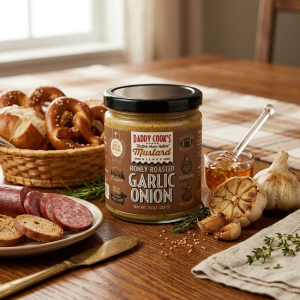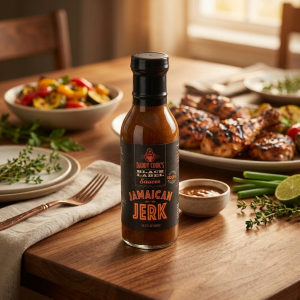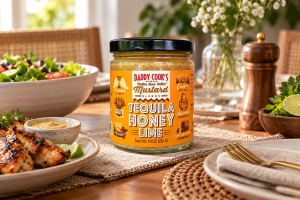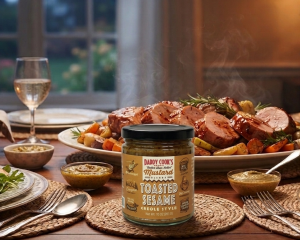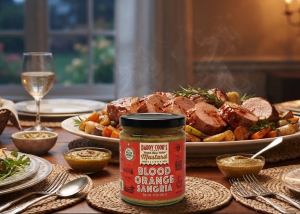
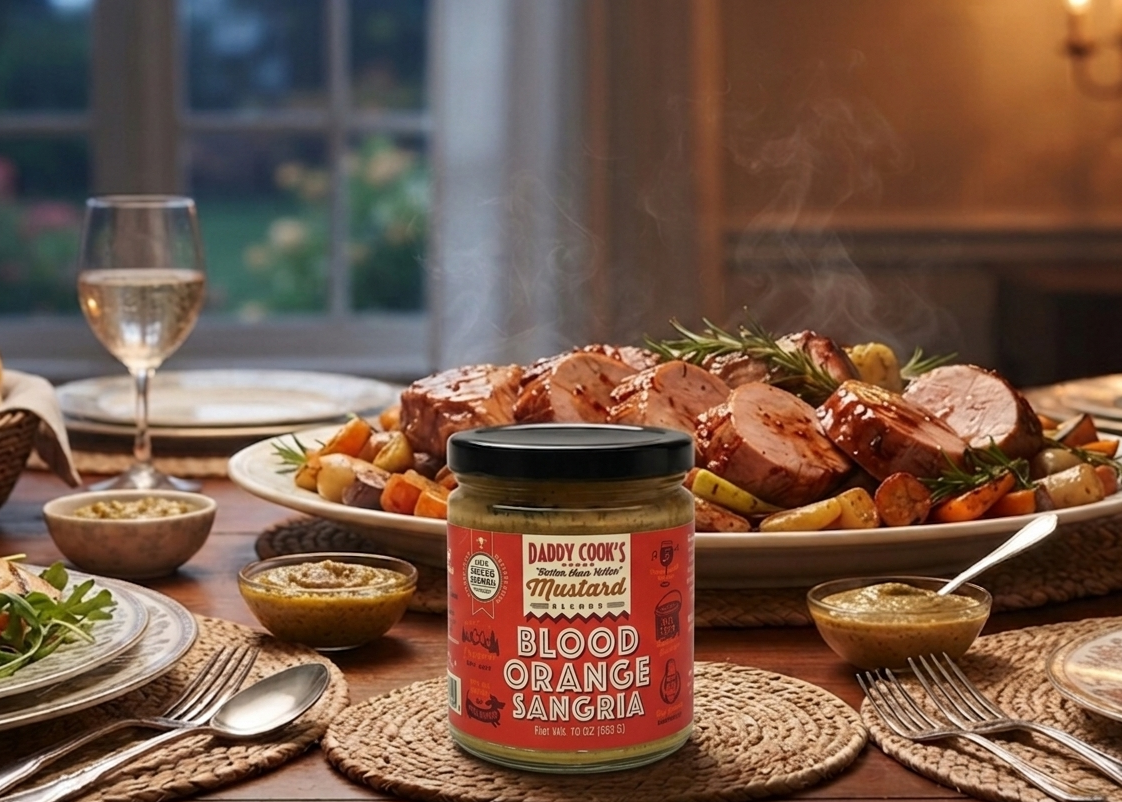
Sangria has never disappointed crowds. But the right mixture takes sangria from good to unforgettable. Citrus fruits , wine , and gourmet flavor crafting combine to create one of the unique experiences of drinking sangria. One such kitchen that offers handcrafted mustard and blend mixtures is Gourmet Temptations, where flavor-inspired condiments are created with the same passion. The Blood Orange Sangria mustard recipe proves just how much potential exists in this fruit. Here is everything you need to know about it if you are looking for inspiration for making sangria.
Why Is Blood Orange Sangria Unique?
The blood orange is a fruit that adds something the traditional orange does not add: color, tartness, and a unique blend of citrus and berries in its taste. All of this in combination with wine, some sweetness and spices produces a cocktail that is both conventional and fancy. That is why the blood orange became so popular in recent years among mixologists and chefs.
Achieving Perfection Through Balancing
For a successful sangria, or even for a citrus sangria in particular, balance is what one must look for. Too much sugar would make the sangria not palatable due to its simplicity, whereas too little sugar would make it too bitter. The right formulas will have many layers of flavors, using varying amounts of sourness, natural sugars, and spices, therefore not letting any ingredient dominate the flavor profile.
From Drink to blend : The Interesting Twist in Culinary Creation
There is an interesting trend in the culinary field of translating flavors of cocktails to condiments. Blood orange iis an excellent example of such a process. Once mixed with any mustard or glaze, the blood orange would add flavor to grilled chicken, roasted vegetables, or even charcuterie hors d’oeuvres. To be more precise, a recipe featuring a perfect balance of all its components can be transformed not only into a drink but also into a condiment.
Reproducing the Taste at Home
For home chefs who want to duplicate this taste, freshness of fruit, quality wine, and natural sweeteners have to be taken care of. Maceration of the fruit before serving allows the taste of the food to be more pronounced. The same goes for the process of making condiments, when natural elements need some time to merge rather than creating instant flavors using other means.
The Importance of Small Batch Quality
Blends made in large batches and drinks that lean on preservatives or artificial flavorings sort of rob people of that genuinely satisfying experience, with a rich flavor pairing that is hard to reproduce on purpose because it’s just too many layers. When it’s small-batch, and more handcrafted, that approach keeps things more natural and keeps the tastes closer to what you’d actually expect. Mass-produced foods can’t really promise that same kind of consistency in a real-world way.
Final Thoughts
The taste of blood orange sangria shows how one drink can basically spill over into a whole set of gourmet products. People have a genuine opportunity to notice the peculiar yet lovely balance of citrus, sweet notes, and warm spices when they savor the beverage or even the condiment-style side of it. Brands like Gourmet Temptations keep demonstrating that inspiration can pop up in the simplest dishes, and that gourmet recipes aren’t an exception either.