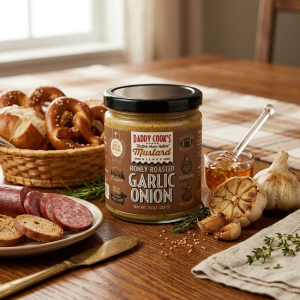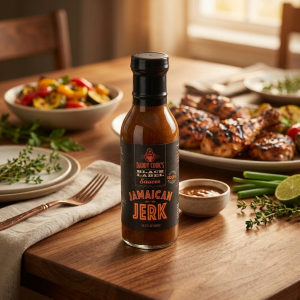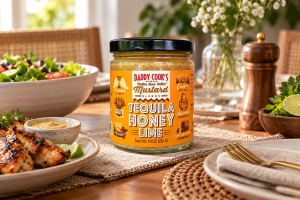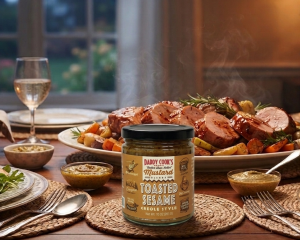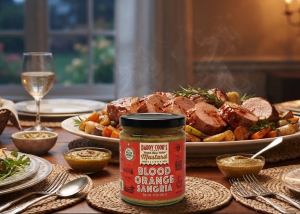
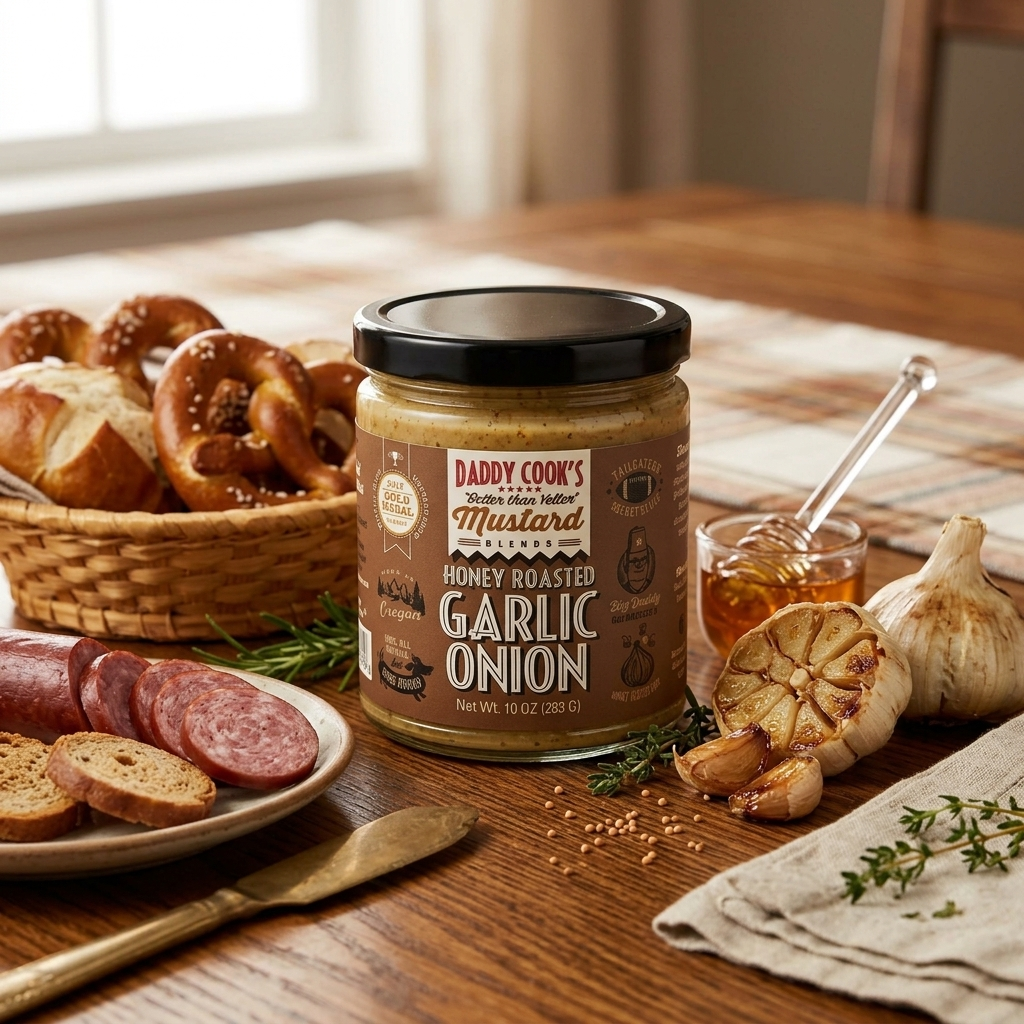
A jar of plain yellow mustard gets the job done. But it never really throws you a curveball, that’s what I mean. Honey mustard changes the whole equation, though. It brings sweetness, tang, and this deeper flavor thing in one spoon, and it works on almost anything you put on a plate, not just chicken. At Gourmet Temptations, that balance isn’t some happy accident; it’s more like the result of small-batch recipes that actually use real ingredients. No shortcuts, not really. This post is basically a breakdown of what makes honey mustard Blends good, how you can use it, and why the right mix can lift meals you already make weekly.
What Makes Honey Mustard Different
Honey mustard lands at that weird meeting point of two strong flavors. On one hand there’s the sharp bite from mustard seed, and on the other the round sweetness from real honey. If it’s done properly, no one gets all the glory. The mustard ensures that the blend is not entirely turned into sweet candy, while the honey prevents the blend from being harsh. In the lower-quality versions, corn syrup and vinegar come into play; they mimic the process, but there is a noticeable difference. A handcrafted bottle, though, comes from better basics and lets the flavors relax, hang out, and develop longer. Texture matters here, and the aftertaste too, like it has to land correctly, not just at the first bite.
Where It Actually Gets Used
Honey mustard isn’t a single-purpose condiment. You can use it like
- A dip for fries, chicken tenders, or pretzels
- A sandwich or wrap spread that replaces boring mayo
- A glaze for baked or grilled chicken and pork
- A salad dressing base if you thin it out with a bit of oil and vinegar; it sort of loosens up and goes further
And there’s also a marinade that helps tenderize meat, while it brings in flavor that sticks around.
The big reason it works across so many things is that sweet & tangy balance. It sits nicely with salty , fatty and grilled foods without barging in or taking over.
Picking a solid blend
Not every bottle that sits on the shelf is automatically worth a second glance. When you’re comparing blends , check these three things first.
- Ingredient list.shorter is usually the better sign. Mustard seed, honey , vinegar , and spices should be near the top, not sugar or preservatives sitting up there acting important
- Texture. A quality blend has body to it. It shouldn’t separate or taste like it got watered down somewhere
- Balance. The best honey mustard isn’t one-note. You should taste sweetness first, then the mustard kick, and it should linger just enough.
- Small-batch producers often nail it more often than the mass-market guys, mostly because they’re not optimizing for shelf life; they’re optimizing for flavor.
Combining It with the Appropriate Foods
Honey mustard is a match made in heaven with meat such as pork and chicken as well as pretzels, but that doesn’t mean you should limit yourself here. Honey Mustard can cut through heavy foods such as bacon and fried dishes; it can give a bit of zing to a rather bland meal, from roasted vegetables and deviled eggs to a simple turkey sandwich. You can pour it over your burger as an alternative to ketchup.
Why You Should Try These Handcrafted Blends
Most condiments made at scale are built for consistency, which usually means flavor gets simplified. With handcrafted blends, it’s smaller runs, so there’s more room for attention to ingredient quality and taste testing, too. That’s the gap between a mustard that’s “fine” and a mustard people actually notice at the table, like people pause and go oh wait what is that?”
If you’re ready to move past the standard yellow squeeze bottle, Gourmet Temptations has a range of small-batch honey mustard blends made for real cooking, not just dipping. Try one next time you’re making a sandwich or throwing something on the grill, and you’ll see why folks stop settling for generic mustard once they’ve had the real thing.